Civil Unrest Preparedness

If Civil Unrest Approaches, Are You Ready?
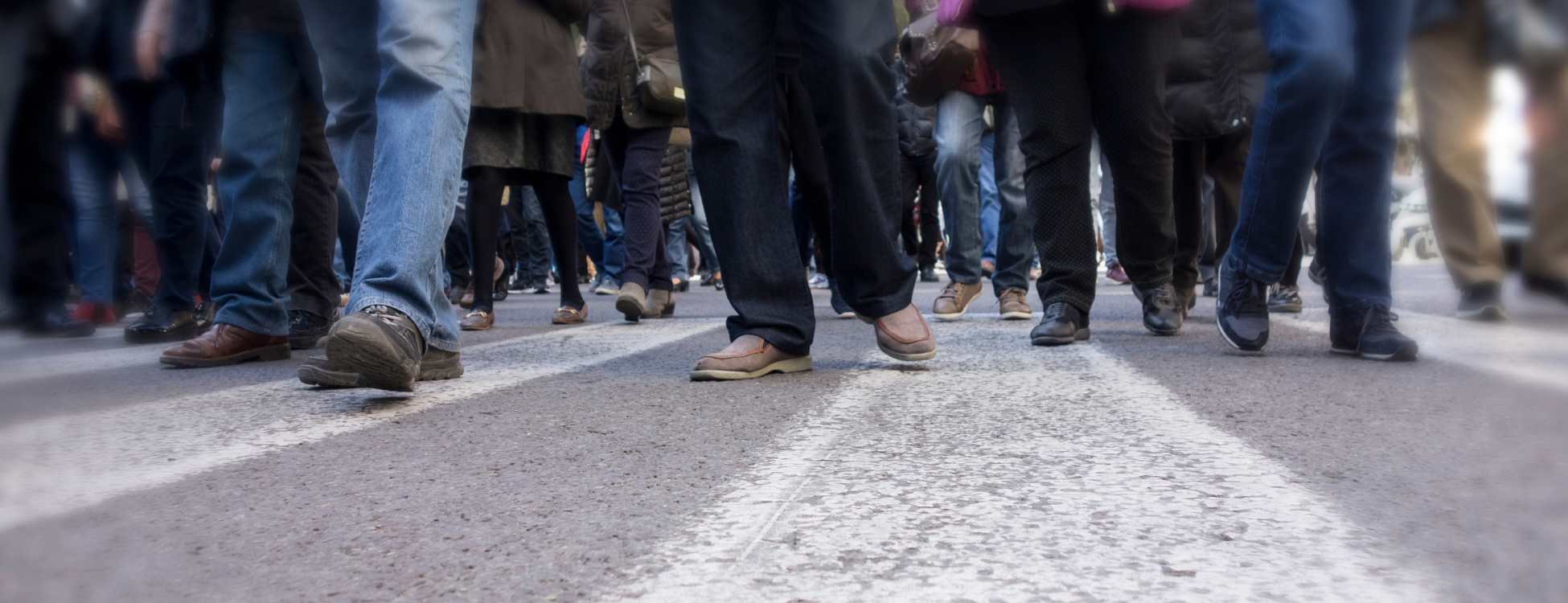
Civil unrest can happen anywhere, anytime. Over the last few decades, cities around the world have been affected by rioting and demonstrations developing from protests of political, social, economic, environmental, law enforcement issues and more.
Make sure you stay ready! Sign up for WBD Alerts, the company’s emergency notification system. With Alerts, you’ll receive emergency updates, safety alerts and other important messages. WBD Alerts may be used to alert you to demonstrations planned in your area and will provide direction and best practices.
When civil unrest approaches, there are likely two options:
1. Shelter in Place
2. Evacuate
Do you know what to do if you find yourself in the middle of civil unrest? Make sure you’re ready by taking the following actions for either scenario.
- Scenario 1: Shelter in Place
-
1. Have a Food Supply
Ready.gov recommends having a several-day supply of food. Store at least a several-day supply of non-perishable food. Make sure to choose foods your family will eat. Remember any special dietary needs.
Here are some of the items that Ready.gov recommends:
• Ready-to-eat canned meats, fruits, vegetables and a can opener
• Protein or fruit bars
• Dry cereal or granola
• Peanut butter
• Dried fruit
• Canned juices
• Non-perishable pasteurized milk
• High-energy foods
• Food for infants and pets
• Comfort/stress foodsYou may already have many of the recommended items on hand. Download the Recommended Supplies List (PDF) for the complete guide.
2. Gather Warm Clothing and Blankets
This includes winter jackets, sleeping bags, gloves, warm hats, and other necessities that you would want if you were forced outside in the winter.
3. Retrieve Alternate Power Sources
In case you lose power, make sure you have some alternate sources of power so you can charge your phone and other devices.
You’ll also need alternative light sources. FEMA recommends planning for power outages by keeping batteries and alternative power sources on-hand, such as a portable charger or power bank. Have flashlights for every household member. Determine whether your home phone will work in a power outage and how long battery backup will last. Remember, never use a generator indoors.
- Scenario 2: Evacuate
-
If you’re forced to leave your home, make sure you take as many of your emergency supplies with you as you can! Make sure you have a portable emergency kit in the car.
Ready.gov recommends the following steps:- Plan how you will leave and where you will go if you are advised to evacuate.
- Check with local officials about what shelter spaces are available for this year.
- Identify several places you could go in an emergency such as a friend’s home in another town or a motel. Choose destinations in different directions so that you have options during an emergency.
- If needed, identify a place to stay that will accept pets or a temporary caretaker for your pet. Most public shelters allow only service animals.
- Be familiar with alternate routes and other means of transportation out of your area. Listen to local news to learn of road closures and hazardous areas to avoid.
- Always follow the law. Never photograph or film a demonstration or protest. It may be illegal or considered subversive activity. Respect any curfews or other rules put in place by the government during the unrest. Always carry identification.