Hurricanes, Typhoons, and Tropical Cyclones

Learn how to keep your home and family safe before disaster strikes.
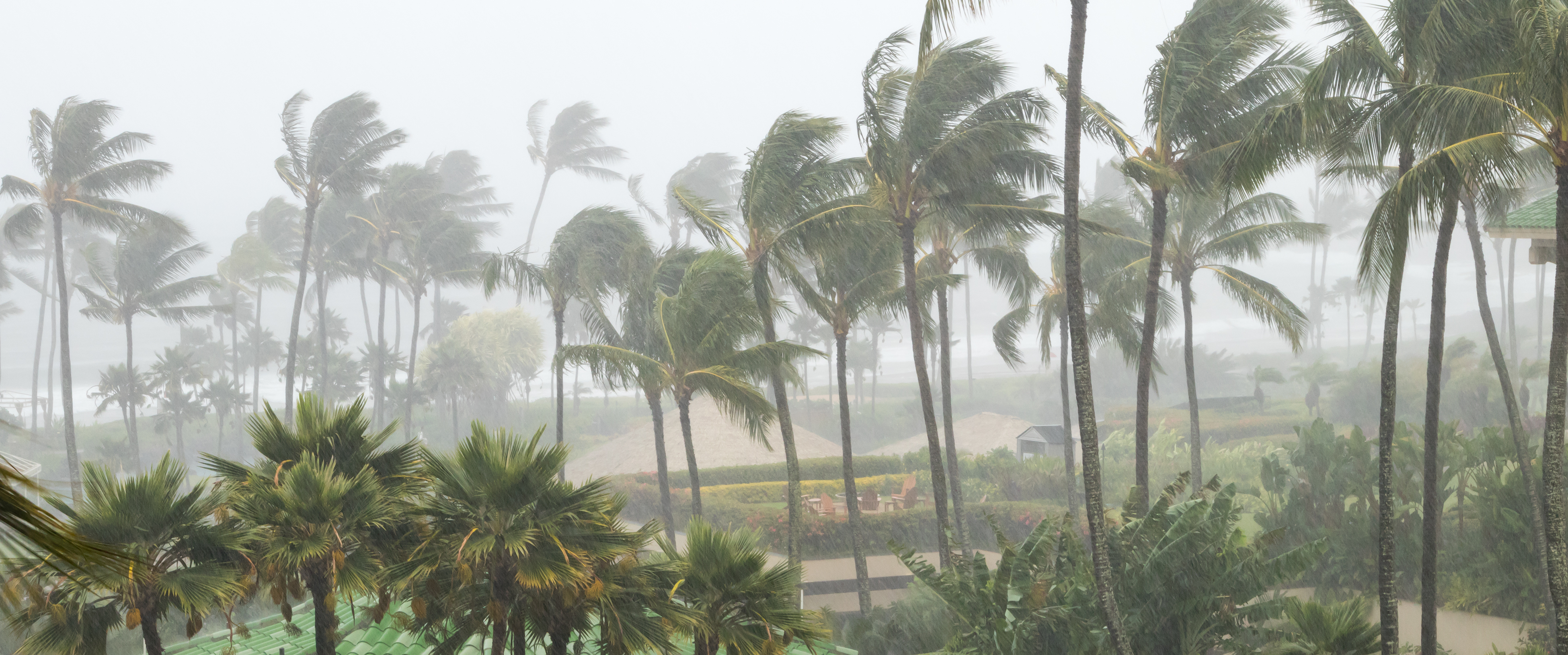
A hurricane or typhoon is a type of tropical cyclone, or severe tropical storm. They form in almost all ocean basins. A typical cyclone is accompanied by thunderstorms, and in the Northern Hemisphere, a counterclockwise circulation of winds near the earth's surface (clockwise in the Southern Hemisphere).
Stay ready! The best time to prepare for a hurricane, typhoon, or cyclone is before the season begins. The National Weather Service recommends the following steps to make sure you’re ready when disaster strikes.
What Should You do Before a Hurricane, Typhoon or Tropical Cyclone?
- Know Your Zone
-
Do you live near the Gulf or Atlantic Coasts? All Atlantic and Gulf of Mexico coastal areas are subject to hurricanes. Parts of the Southwest United States and the Pacific Coast also experience heavy rains and floods each year from hurricanes spawned off Mexico. The Atlantic hurricane season lasts from June to November, with the peak season from mid-August to late October. The Eastern Pacific hurricane season begins May 15 and ends November 30.
In the Pacific and Indian Oceans, typhoons can affect all land masses from Asia to the Middle East to Australia.
If you live in a hurricane-prone region, find your evacuation area by contacting your local government/emergency management office or by checking the evacuation location’s website.
Follow the instructions from local emergency managers, who work closely with state, local, tribal, and territorial agencies, and partners. They will provide the latest recommendations based on the threat to your community and appropriate safety measures.
- Assemble a Supplies Kit
-
After an emergency, you may need to survive on your own for several days. Being prepared means having your own food, water, and other supplies to last for those days. A disaster supplies kit is a collection of basic items your household may need in the event of an emergency.
Some suggested items include:
- Water (one gallon/4.5 litres per person per day for several days, for drinking and sanitation)
- Food (at least a several-day supply of non-perishable food)
- Battery-powered or hand crank radio and a NOAA Weather Radio with tone alert Flashlight
To assemble your kit, store items in airtight plastic bags and put your entire disaster supplies kit in one or two easy-to-carry containers such as plastic bins or a duffel bag.
For a more detailed list, check out this Basic Disaster Supplies Kit Checklist to get started. Make sure to pick and choose what works best for your family.
- First aid kit
- Extra batteries
- Whistle (to signal for help)
- Dust mask (to help filter contaminated air)
- Plastic sheeting and duct tape (to shelter in place)
- Moist towelettes, garbage bags and plastic ties (for personal sanitation)
- Wrench or pliers (to turn off utilities)
- Manual can opener (for food)
- Local maps
- Cell phone with chargers and a backup battery
- Write or Review Your Family Emergency Plan
-
Before an emergency happens, sit down with your family or close friends, and decide how you will get in contact with each other, where you will go, and what you will do in an emergency. Keep a copy of this plan in your emergency supplies kit or another safe place where you can access it in the event of a disaster.
Put a plan together by discussing the questions below with your family, friends, or household to start your emergency plan:
How will I receive emergency alerts and warnings? What is my shelter plan?
Start writing your plan with this easy fillable form available on Ready.gov or download our Family Preparedness Guide for more information on keeping your family safe in times of crisis.
- What is my evacuation route?
- What is my family/household communication plan?
- Do I need to update my emergency preparedness kit?
- Review Your Insurance Policies
-
Review your policies before you're faced with a hurricane to ensure that you have adequate coverage for your home and personal property. Don’t wait until after you have a loss to check your insurance coverage.
- Recognize Warnings and Alerts
-
When a major storm is coming, stay informed by following NOAA Weather radio or your local news channels for updates.
Listen closely to instructions from local officials on TV, radio, cell phones or other computers for instructions from local officials. Evacuate immediately if told to do so.
In addition to your local news channel, there are several ways to receive alerts in real-time:
- Register for WBD Alerts. WBD’s emergency alerts system is the fastest way for the company to reach you, wherever you are, with crucial information, aid, and resources in times of crisis.
- Bookmark and subscribe to GDACS for real-time access to web-based disaster information systems and related coordination tools.
- Sign up for community alerts in your area and be aware of automatic alerts systems, such as the Emergency Alert System (EAS) and Wireless Emergency Alerts (WEA) for those in the U.S.
Resources:
National Oceanic and Atmospheric Administration (NOAA): National Hurricane Preparedness
American Red Cross: Hurricane Safety
Insurance Information Institute: Hurricane Season Insurance Guide
Ready.gov: Build a Kit