Lithium-Ion Battery Safety

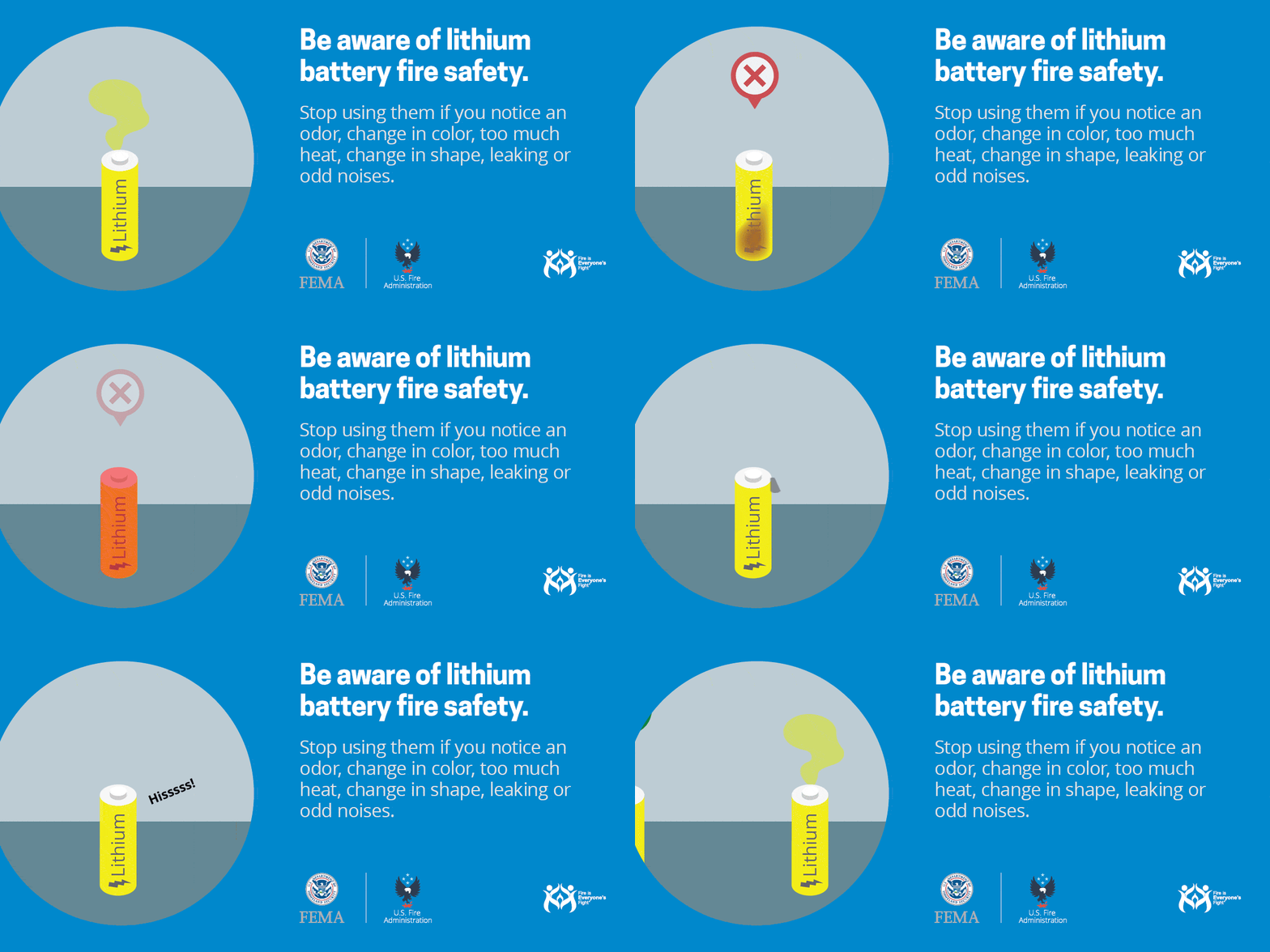
Lithium-ion batteries power our phones, laptops, power tools, e-bikes, and many other everyday devices. They are generally safe when properly manufactured and used, but damaged, defective, overheated, or improperly handled batteries can create an intense fire hazard.
Check out the tips below for safe battery usage and disposal.
Purchase & Use
- Choose batteries and battery-powered products from reputable manufacturers and retailers.
- Check for product or battery recalls before purchasing or continuing to use a device.
- Follow the device manufacturer's instructions for charging, use, maintenance, and storage.
- Do not modify batteries, battery packs, or charging systems. Battery-pack repairs should be performed by an appropriately qualified repair facility.
Charge Safely
- Use the charger supplied or recommended by the device manufacturer. Avoid incompatible or questionable replacement chargers.
- Plug charging equipment into an appropriate wall outlet and avoid overloading outlets. Follow manufacturer guidance regarding extension cords, adapters, and power strips.
- Charge and store batteries in a cool, dry location, away from combustible materials. Avoid prolonged exposure to extreme temperatures, direct sunlight, and hot vehicles.
- If a battery or device becomes unusually hot while charging, disconnect it when it is safe to do so and stop using it.
- When on a flight, keep it where you can see it.
Know the Warning Signs
Stop using a battery or device immediately if you notice:
- Swelling, bulging, or a change in shape
- Excessive or unusual heat
- Leaking
- An unusual odor
- A change in color
- Hissing, popping or other unusual noises
- Smoke or other signs of fire
A swollen battery is damaged and may present a fire hazard. Do not puncture, crush or attempt to repair it yourself; contact the manufacturer, retailer, or appropriate local hazardous-waste program for instructions.
If a Battery Catches Fire
- Get out and call emergency services (e.g. 911 or local country equivalent). Do not attempt to fight a lithium-ion battery fire yourself.
- Alert everyone nearby and move away from the affected device or battery.
- Follow your building's fire and evacuation procedures.
- Never pick up, move or handle a battery that is burning, smoking or dangerously hot.
Store & Handle Carefully
- Protect batteries from being crushed, punctured, bent, dropped or otherwise physically damaged.
- Keep spare batteries away from combustible materials and objects that could contact their terminals.
- Store batteries at approximately room temperature whenever practical.
- For loose batteries, prevent terminals from contacting metal objects that could cause a short circuit.
Dispose & Recycle Properly
- Never put lithium-ion batteries in household trash or curbside recycling bins. They can be crushed or damaged during waste processing and start fires.
- Take used batteries and battery-containing devices to a dedicated battery recycler, electronics recycler or household hazardous-waste collection location.
- Before transporting loose batteries for recycling, the EPA recommends that you cover terminals with non-conductive tape (such as electrical tape) or place each battery in its own plastic bag to prevent short circuits.
- For damaged batteries, contact the manufacturer or your local hazardous-waste program for specific handling instructions rather than transporting them normally.
Traveling by Air
- Spare lithium batteries and power banks belong in carry-on baggage, not checked baggage.
- Protect spare battery terminals from short circuits by using original packaging, terminal tape, a battery case or an individual protective pouch.
- If a carry-on bag is checked at the gate, remove spare lithium batteries and power banks and keep them with you in the aircraft cabin.
- Damaged or recalled batteries that could produce sparks or dangerous heat generally must not be carried aboard an aircraft. Check FAA and airline requirements before traveling.
- Additional Safety Resources
-
U.S. Fire Administration (FEMA) — Lithium-Ion Battery Safety for Electronic Devices
USFA lithium-ion battery safety handoutUK Department for Transport — Battery Safety for E-Cycle Users
UK Government — Battery Safety for E-Cycle UsersJapan Ministry of Economy, Trade and Industry (METI) — Lithium-Ion Battery Safety
METI — Lithium-Ion Battery Safety Guidance (Japanese)U.S. Fire Administration (FEMA) — Battery Fire Safety
USFA Battery Fire SafetyU.S. Environmental Protection Agency — Frequently Asked Questions on Lithium-Ion Batteries
EPA lithium-ion battery FAQsFederal Aviation Administration — PackSafe: Lithium Batteries
FAA PackSafe lithium battery guidanceBrazil National Telecommunications Agency (ANATEL) — Lithium Batteries and Mobile Phone Chargers
Brazil ANATEL — Lithium Batteries and Chargers