Flood Safety and Preparedness

What should you do before a flood?
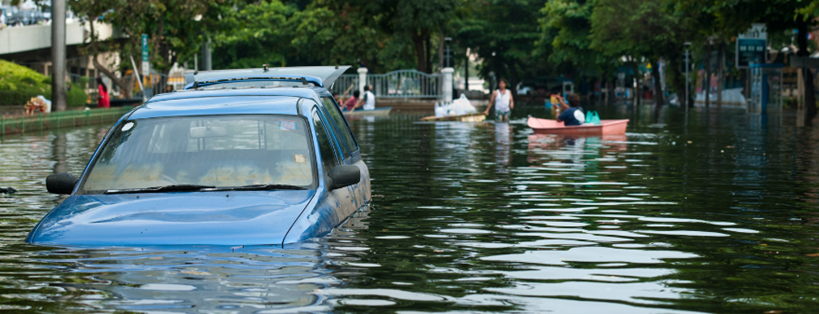
The risk of a catastrophic flood exists every year in parts of the world that experience heavy rain or snow. Floods can result from rain, rapid snow melt, or storm surge from a tropical cyclone or tsunami in coastal areas.
The World Health Organization (WHO) ranks flooding as the #1 most common natural disaster worldwide. Additionally, the frequency and intensity of flooding is increasing at an alarming rate. It is important to take steps now to prepare yourself and your loved ones in the event of a flood.
Experts from WHO and The Red Cross recommend the following actions be taken before, during and after a flood.
- Before
-
Understand your flood risk.
Learn about the types of flooding that can impact your home and community. Types of flooding include flash floods, river floods, storm surges, coastal floods, burn scars, debris flows, ice/debris jams, snowmelt, dry wash, dam breaks, and levee failures.
Know your home and community’s flood risk. The Global Flood Database offers a comprehensive look at where floods have happened and who may be the most affected in the future.
Types of Floods:
- Flash floods: Can be sudden and violent. You may have little to no warning. Designate a place on higher ground that you can get to quickly. Plan to move to higher ground before flooding begins.
- River floods: Know if you are in an area that is prone to river floods. Review your evacuation plan so that you can leave quickly if officials advise you to evacuate.
- Storm surge: Be prepared to evacuate immediately if local officials advise. A storm surge can cause water levels to rise quickly and flood large areas in just minutes.
- Coastal flooding: Be prepared to evacuate immediately if local officials advise. Move inland before flooding begins.
- During
-
Stay informed: Listen to radio and television, check the Internet and social media for information and updates. Make sure you are signed up for WBD Alerts so that updates and resources can reach you.
In the United States, The National Weather Service (NWS) will issue a Flood Watch / Flash Flood Watch when conditions are detected that could result in flooding/flash flooding of a certain area. Make sure that you understand the difference between a Flood Watch and a Flood Warning.
Listen to Evacuation Orders: Lock your home when you leave. If you have time, disconnect utilities and appliances.
Turn Around. Don’t Drown: Do not walk, swim, or drive through flood waters. It only takes 6 inches of moving water to knock you off your feet. If you are trapped by moving water, move to the highest possible point. Keep in mind, water may be deeper than it appears and can hide hazards such as sharp objects, washed out road surfaces, electrical wires, chemicals, etc.
Get to higher ground: If you live in a flood prone area or are camping in a low-lying area, get to higher ground immediately.
- After
-
Visible damage left behind after a flood can be devastating. However, what you can't see can be just as dangerous. Floodwaters often become contaminated with sewage or chemicals. Gas leaks and live power lines can also be deadly and are not obvious at first.
Contact Your Family and Loved Ones: Let your family and close friends know that you’re okay so they can help spread the word.
Stay Informed: Stay tuned to your local news for updated information on road conditions. Ensure water is safe to drink, cook or clean with after a flood.
Avoid Flood Waters: Standing water hides many dangers including toxins and chemicals. There may be sharp objects under the water, or the road could have collapsed.
Avoid Disaster Areas: Do not visit disaster areas. Your presence may hamper rescue and other emergency operations.
Heed Road Closed and Cautionary Signs: Road closure and other cautionary signs are put in place for your safety. Pay attention to them!
Wait for the All Clear: Do not enter a flood damaged home or building until you're given the All Clear by authorities. If you enter a flood damaged building, be extremely careful.
Resources
American Red Cross: Flood Safety
Global Flood Database: Global Flood Risk Management
National Weather Service: Flood Safety Tips and Resources
Ready.gov: Preparing for a flood
World Health Organization (WHO): Floods